A young girl is facing extreme stress due to work overload and she tells her family she is getting stressed, anxious and unable to sleep and she says she might need to see a therapist. To which, the family responds, "Why would you need a therapist?" Just exercise and think positive. This is the usual case of how Indian families handle mental health crises. In many families, mental health problems are still associated with being "mad" or incapable. This stigma discourages people from seeking help.
For over the decades, we have witnessed hush-hush around mental health issues. People are not comfortable discussing mental health issues as compared to physical issues. As much as a fractured hand needs a doctor's visit to fix it, the same principle applies to mental health problems. It's time we speak about mental health issues rising especially in 2-tier cities where there is a dearth of resources and the mental health support system requires a lot of improvement.
What Research Tells Us
The growing concern around mental health issues is worldwide and more cases of anxiety, depression, bipolar are being witnessed. According to NIMHANS research, mental health disorders are more prevalent in urban areas (13.5%), compared to rural areas (6.9%). The question is how many cases are going unreported? These are just reported cases but we have many cases that are not reported and are suffering in silence because Indian families don't want to seek help, help for them makes them look weak. And hence, they advise their children or friends to endure and sacrifice. People are expected to 'adjust,' or are often told to 'be strong.' This is what coaxes them to keep personal struggles private.
Fear Of Judgement
People worry about what relatives, neighbours, or colleagues might say if they admit they are struggling or seeing a therapist.
Thanks to the younger generation today who are rewriting the norms of society. They are talking about their struggles and mental health battles. No generation has been able to achieve that so far. The conversation is slowly changing. Younger generations are more open to discussing therapy, emotional well-being, and self-care. Social media, podcasts, and mental health campaigns are helping in breaking the silence.
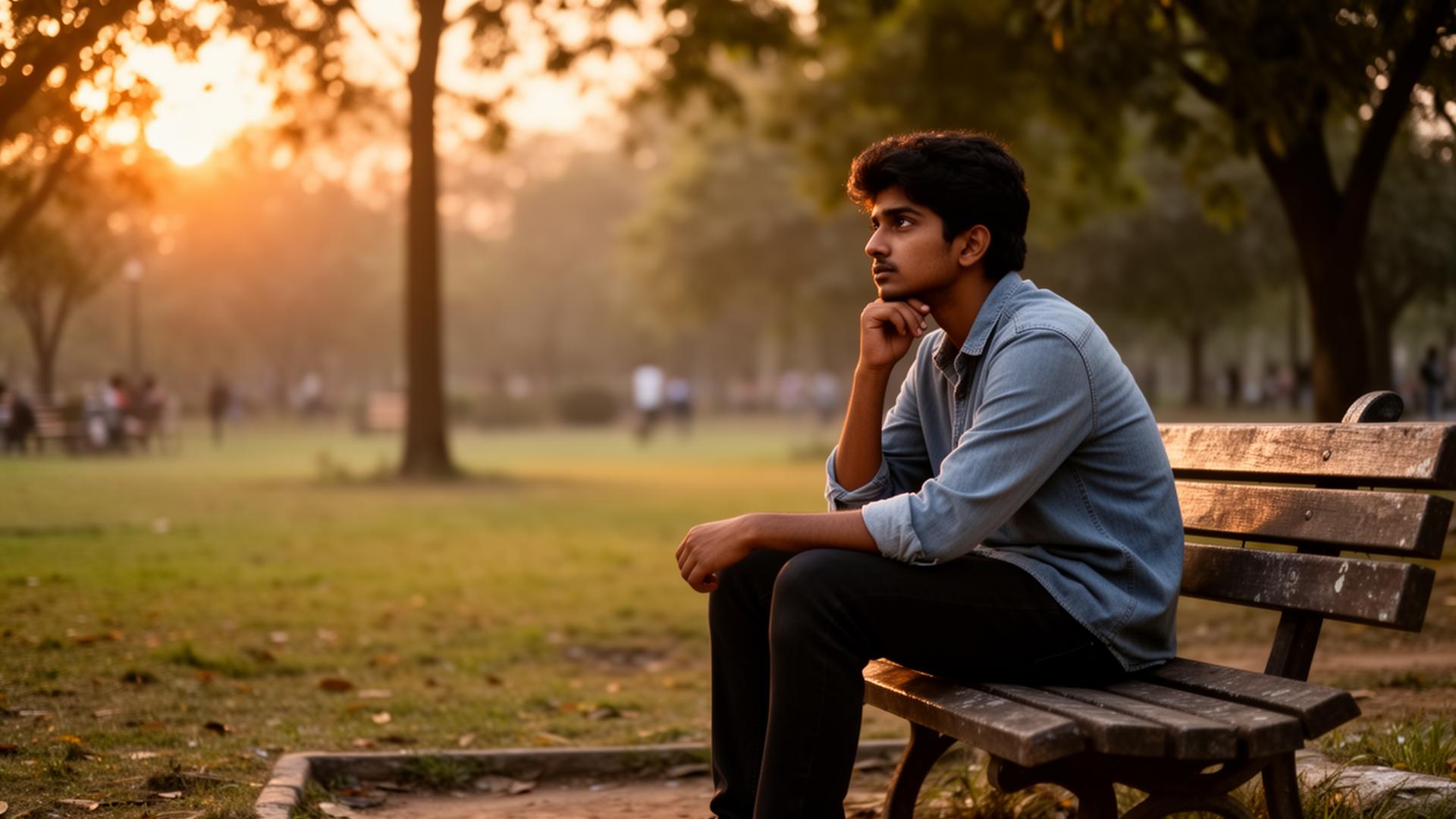
But it is not enough. We need more people, especially men, to join the mental health movement. Indian families have conditioned men to be the 'Macho Man' and 'protector/provider' of the family - who are expected to face everything on their own and not express their emotions. This attitude is influencing men to reject therapy or seek help when they are stressed or going through emotional turmoil. For too long, mental health has been treated as a private struggle rather than a public concern. But healing often begins with a simple step - talking about it!
Men Should Start The Conversation
In many Indian households, boys grow up hearing the same message: "Be strong. Don't cry. Men don't show weakness." While these words are often meant to encourage resilience, they also teach men to hide their emotions. And we all have witnessed in our own homes how men have mastered the art of hiding their emotions. This is unhealthy - forcing them to choose alcohol, or smoking rather than speaking about their issues. Experts say this silence can have serious consequences. When emotions are suppressed rather than expressed, stress can build over time, affecting relationships, physical health, and overall well-being.
Sometimes the strongest thing a man can do is speak about their problems and not stay silent. Change starts from small things. I hope we create a safer world for men and women to express their emotions without any judgments being passed or bullied for being their authentic self.
And perhaps the most important question we can begin asking each other is a simple one: "Are you really okay?" Perhaps that question needs to be asked of everyone in your home, regardless of gender. Indian homes should be safe spaces—not just providing a roof and food for loved ones, but also nurturing calm and healing minds. A space where everyone feels free to cry and share their hearts. Is India ready for the mental health dialogue?
Connect with us at Manase to learn more about our mental health services.
Book a Session →